

Non-Invasive Depression Treatment Options: 2026 Guide

Table of Contents
What Is Non-Invasive Depression Treatment?
Transcranial Magnetic Stimulation (TMS): FDA-Approved Brain Stimulation
How TMS Works
What to Expect During TMS Sessions
TMS Therapy Success Rates and Clinical Efficacy
Ketamine Infusion Therapy for Rapid Relief
Deep Brain Stimulation and H-Coil Technology
Psychotherapy and Cognitive Behavioral Techniques
How to Identify SSRI Withdrawal Symptoms When Transitioning Treatments
Complementary Mind-Body Approaches
Bright Light Therapy
Yoga, Meditation, and Tai Chi
Acupuncture and Massage Therapy
Frequently Asked Questions
Last Updated: September 27, 2026
What Is Non-Invasive Depression Treatment?
Non-invasive depression treatment uses therapeutic approaches that don't require surgery, anesthesia, or systemic medication. These methods stimulate brain activity, regulate mood-related neurological pathways, or change thought patterns. For individuals who've tried multiple antidepressants without relief or experience intolerable side effects, non-invasive depression treatment options offer a genuine alternative.
When traditional SSRIs fail, non-invasive procedures and evidence-based therapies become critical options. At Newtown TMS, patients who've exhausted medication routes find meaningful relief through physician-administered brain stimulation combined with talk therapy.
Non-invasive depression treatment now includes FDA-approved neurostimulation procedures, rapid-acting pharmaceutical interventions, structured psychotherapy, and complementary mind-body approaches, each with distinct mechanisms and appropriate use cases.
Key Takeaway Non-invasive depression treatment works for patients who've failed multiple medications or cannot tolerate standard psychiatric drugs. The key is matching the right approach to your specific situation.
Transcranial Magnetic Stimulation (TMS): FDA-Approved Brain Stimulation
Transcranial Magnetic Stimulation (TMS) uses magnetic pulses to stimulate nerve cells in brain regions associated with mood regulation. FDA-approved in 2008, TMS remains one of the most thoroughly studied non-invasive procedures available (the FDA). Unlike electroconvulsive therapy, it requires no anesthesia and produces no seizures.
TMS targets the dorsolateral prefrontal cortex, a brain region showing reduced activity in depression. Magnetic pulses trigger electrical activity in nerve cells, gradually restoring normal mood-regulating function. Most patients experience noticeable improvement after completing a full treatment course.
Newtown TMS offers 100% physician-administered care, meaning Dr. John Woodall or another qualified physician personally oversees every session. This level of clinical supervision ensures precise coil placement, appropriate stimulation intensity, and immediate response to any concerns.
How TMS Works
TMS involves placing a magnetic coil against your scalp. The coil delivers rapid magnetic pulses that generate electrical currents in brain tissue, activating neurons in mood-regulating regions and restoring normal neurotransmitter balance.
Sessions typically last 30-40 minutes. You remain awake and alert, able to read, listen to music, or relax. The magnetic pulses create a tapping sensation on your scalp, sometimes described as a gentle knocking feeling.
The standard TMS protocol involves daily sessions, typically five days per week, for four to six weeks. Some patients see initial improvements within the first week; others require the full course before noticing meaningful change.
What to Expect During TMS Sessions

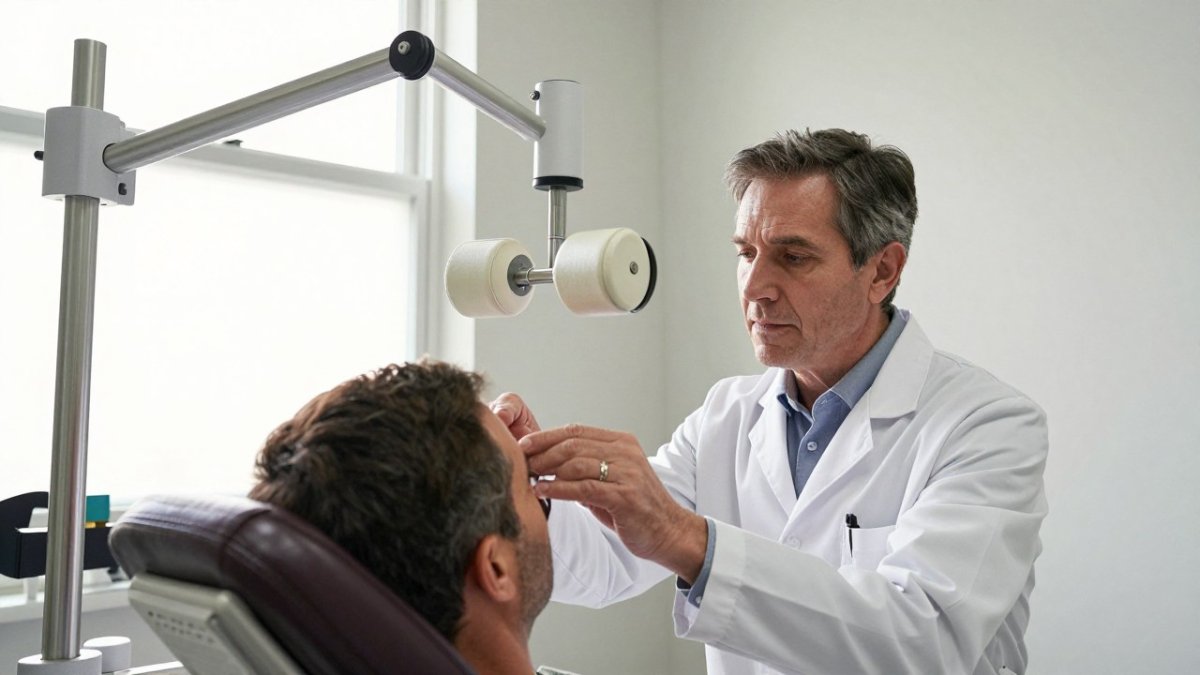
You'll sit in a comfortable reclined chair in a private treatment room. A technician or physician positions the magnetic coil against your scalp, typically over the left prefrontal cortex, securing it with a mechanical arm.
Once positioned, the coil delivers magnetic pulses in a rhythmic pattern. You'll hear a clicking sound and feel tapping. Most patients describe this as mildly uncomfortable but not painful. Signal immediately if intensity feels too strong and the provider will adjust settings.
The entire appointment takes 45-60 minutes. You can drive yourself home, return to work, or resume normal activities immediately. There's no sedation, no recovery period, and no restrictions.
Pro Tip Bring headphones and a podcast or audiobook to your sessions. Many patients find the 30-40 minute stimulation period more tolerable when mentally engaged. The tapping sound from the coil is loud enough that audio helps you focus elsewhere.
TMS Therapy Success Rates and Clinical Efficacy
TMS therapy success rates vary by definition. Remission (complete symptom resolution) occurs in roughly 30-40% of patients; response (at least 50% improvement) occurs in approximately 50-60%. These figures come from FDA clinical trials tracking treatment-resistant depression specifically.
These patients had already failed one or more antidepressants. For a population that's exhausted medication options, TMS remission rates rival or exceed what you'd expect from switching to another SSRI.
Individual outcomes vary significantly based on symptom severity, depression duration, prior medication trials, age, and concurrent psychotherapy. Patients who combine TMS with talk therapy report better long-term maintenance of symptom improvement.
After achieving remission or response, some patients benefit from periodic TMS booster sessions monthly or quarterly to prevent relapse.
Ketamine Infusion Therapy for Rapid Relief
Ketamine infusion therapy represents a fundamentally different approach to treatment-resistant depression. Unlike TMS, which works through brain stimulation, ketamine works through rapid neurochemical modulation, targeting glutamate receptors and offering relief in days rather than weeks.
The procedure involves intravenous infusion of sub-anesthetic ketamine doses in a clinical setting. Sessions typically last 40-60 minutes. Most patients receive six infusions over two weeks, though protocols vary by clinic.
Ketamine's primary advantage is speed. Many patients experience significant symptom improvement after one or two infusions, making it valuable for patients in acute crisis or with severe suicidal ideation.
Potential side effects include dissociation (feeling detached from your body or surroundings) during infusion, which typically resolves within an hour. Some patients experience temporary increases in blood pressure or heart rate.
Long-term efficacy data for ketamine remains limited compared to TMS. Relapse rates can be higher without ongoing maintenance therapy, and insurance coverage remains inconsistent, making cost a significant barrier.
Deep Brain Stimulation and H-Coil Technology
Deep brain stimulation (DBS) requires surgical implantation of electrodes. However, H-coil technology offers deeper brain penetration benefits without surgery.
Psychotherapy and Cognitive Behavioral Techniques
Cognitive behavioral therapy (CBT) is the gold standard psychotherapeutic approach for depression, helping you identify and change negative thought patterns and behaviors that maintain depression.
How to Identify SSRI Withdrawal Symptoms When Transitioning Treatments
Many patients considering non-invasive depression treatment are currently taking SSRIs. Understanding withdrawal symptoms becomes essential when switching to procedures like TMS.
Common withdrawal symptoms include:
Dizziness or vertigo, especially when moving your head
Electric shock-like sensations in your head or spine
Nausea, vomiting, or diarrhea
Insomnia or vivid nightmares
Anxiety, irritability, or emotional numbness
Muscle aches or flu-like symptoms
Watch Out Never stop SSRIs suddenly, even if switching to TMS or other treatments. Abrupt discontinuation can trigger severe withdrawal symptoms and mood destabilization. Work with your prescribing physician to create a gradual tapering schedule that typically spans weeks or months depending on your current dose and duration of use.
Complementary Mind-Body Approaches
Mind-body approaches can meaningfully support depression recovery by activating the parasympathetic nervous system, reducing stress hormones, and improving emotional regulation.
Bright Light Therapy
Bright light therapy uses high-intensity light exposure (typically 10,000 lux) to regulate circadian rhythms and improve mood (Checking your browser). It works particularly well for seasonal affective disorder but also benefits year-round depression.
Yoga, Meditation, and Tai Chi
Yoga, meditation, and tai chi activate the parasympathetic nervous system, reduce cortisol levels, and improve emotional regulation. Regular practice produces measurable improvements in depressive symptoms, particularly when combined with other treatments.
Acupuncture and Massage Therapy
Treatment Approach | Treatment Duration | Session Frequency | Best For |
TMS (Standard) | 4-6 weeks | 5 days/week | Treatment-resistant depression |
Ketamine Infusion | 2 weeks | 6 sessions over 2 weeks | Acute crisis, rapid relief needed |
Deep TMS (H-coil) | 4-6 weeks | 5 days/week | Deeper brain region targeting |
CBT | 12-20 weeks | 1-2 sessions/week | Cognitive pattern change |
Bright Light Therapy | Ongoing | Daily 20-30 minutes | Seasonal or year-round depression |
Yoga/Meditation | Ongoing | 3-5 times/week | Complementary support |
Acupuncture | 8-12 weeks | Weekly or bi-weekly | Complementary mood support |
Massage Therapy | Ongoing | Monthly or bi-weekly | Stress relief and sleep support |
When you've tried multiple antidepressants without success, non-invasive depression treatment options provide genuine hope. TMS therapy, particularly when combined with talk therapy, addresses both the neurobiological and psychological dimensions of depression. At Newtown TMS, Dr. John Woodall and our team provide 100% physician-administered care with no extra charges for direct physician involvement. We combine advanced TMS technology with personalized psychotherapy to help patients reclaim their mental health when other treatments have failed.
Frequently Asked Questions
What is the most effective non-invasive depression treatment for treatment-resistant cases?
Transcranial Magnetic Stimulation (TMS) is an FDA-approved option with strong evidence for treatment-resistant depression. TMS uses magnetic pulses to stimulate nerve cells in the brain and works best for patients who have not responded to at least one antidepressant. The right choice depends on your medical history, symptom severity, and whether you need sustained long-term improvement. A qualified physician can evaluate your specific situation.
How do I know if I'm experiencing SSRI withdrawal symptoms when switching to non-invasive treatment?
SSRI withdrawal symptoms typically appear 1-3 weeks after stopping the medication and may include dizziness, electric shock sensations, flu-like symptoms, mood changes, and sleep disturbances. These differ from a return of depression, which develops more gradually. If you're transitioning from antidepressants to TMS or another non-invasive treatment, work with your physician to taper medications slowly rather than stopping abruptly. This reduces withdrawal risk significantly. Report any new physical sensations or mood changes to your healthcare provider immediately.
What can I realistically expect during a TMS treatment session?
A typical TMS session lasts 30-40 minutes and involves sitting in a comfortable chair while a magnetic coil is placed against your scalp. You'll hear clicking sounds and feel tapping sensations but no pain. Most patients remain awake and alert throughout. Sessions occur daily, typically 5 days per week for 4-6 weeks. There's no downtime, so you can return to work or daily activities immediately. Many patients notice gradual improvement in mood and motivation over the course of treatment.
Is TMS therapy considered truly non-invasive, and what are the actual side effects?
Yes, TMS is non-invasive because it uses magnetic pulses rather than surgery or injections. Common side effects are mild and temporary: scalp discomfort at the coil site, headache, and occasional twitching of facial muscles. These typically resolve within the first week. Unlike antidepressants, TMS does not cause weight gain, sexual dysfunction, or systemic side effects. Serious risks are rare but include seizures in individuals with seizure disorders. A thorough medical screening before treatment identifies any contraindications.
How much does a full course of non-invasive depression treatment cost, and does insurance cover it?
Costs vary significantly by treatment type. Many insurance plans cover TMS if you meet criteria such as treatment-resistant depression (failure of at least two antidepressants), though coverage varies by plan and carrier. Contact your insurance company directly to verify your benefits before starting treatment. Many clinics also work with insurance to maximize coverage and reduce out-of-pocket costs.
Call Newtown TMS for a free consultation


Comments